Wet lower levels and crawl spaces near Auburn
Basement and Crawl Space Flooding in Auburn, GA
A basement or crawl space holding water around Auburn, GA can mean a few inches of seep after a storm or a whole lower level under water. Call us and give the depth, and say whether it is still climbing.
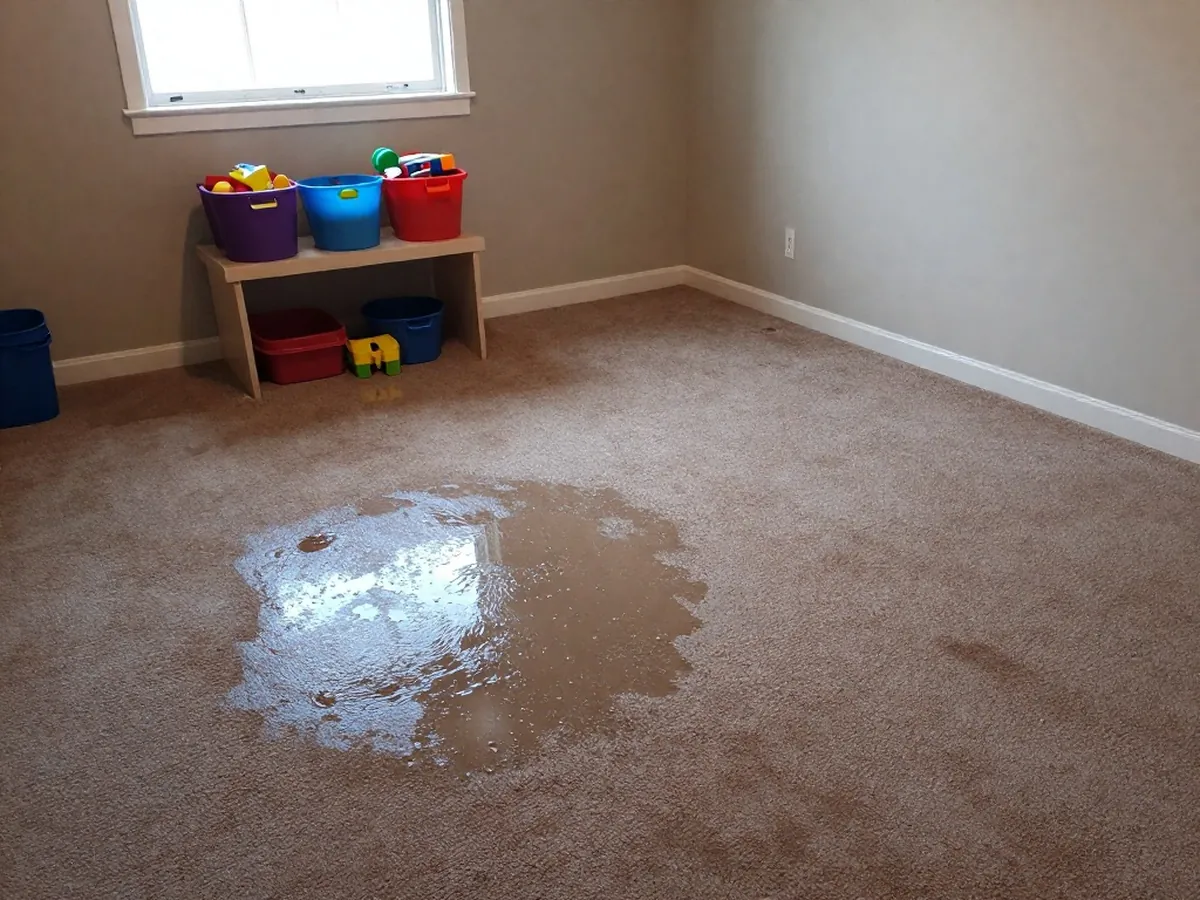
Pumping is slower than it looks
Taking the water out is a staged job. The extension service at the University of Missouri advises pumping out about a foot, marking the level, waiting overnight, and then removing two to three feet a day. Water in the basement braces the walls against the ground outside, so emptying it all at once may cause serious structural damage.
The Red Cross puts the pace at about a third of the water a day, which lands in the same neighborhood.
Where else the water might belong
Rain that came in through the attic is covered on storm and roof leak damage. A pipe or water heater down there is under burst pipe water damage and appliance and water heater leaks. If the drains pushed it up, read sewage backup cleanup first.
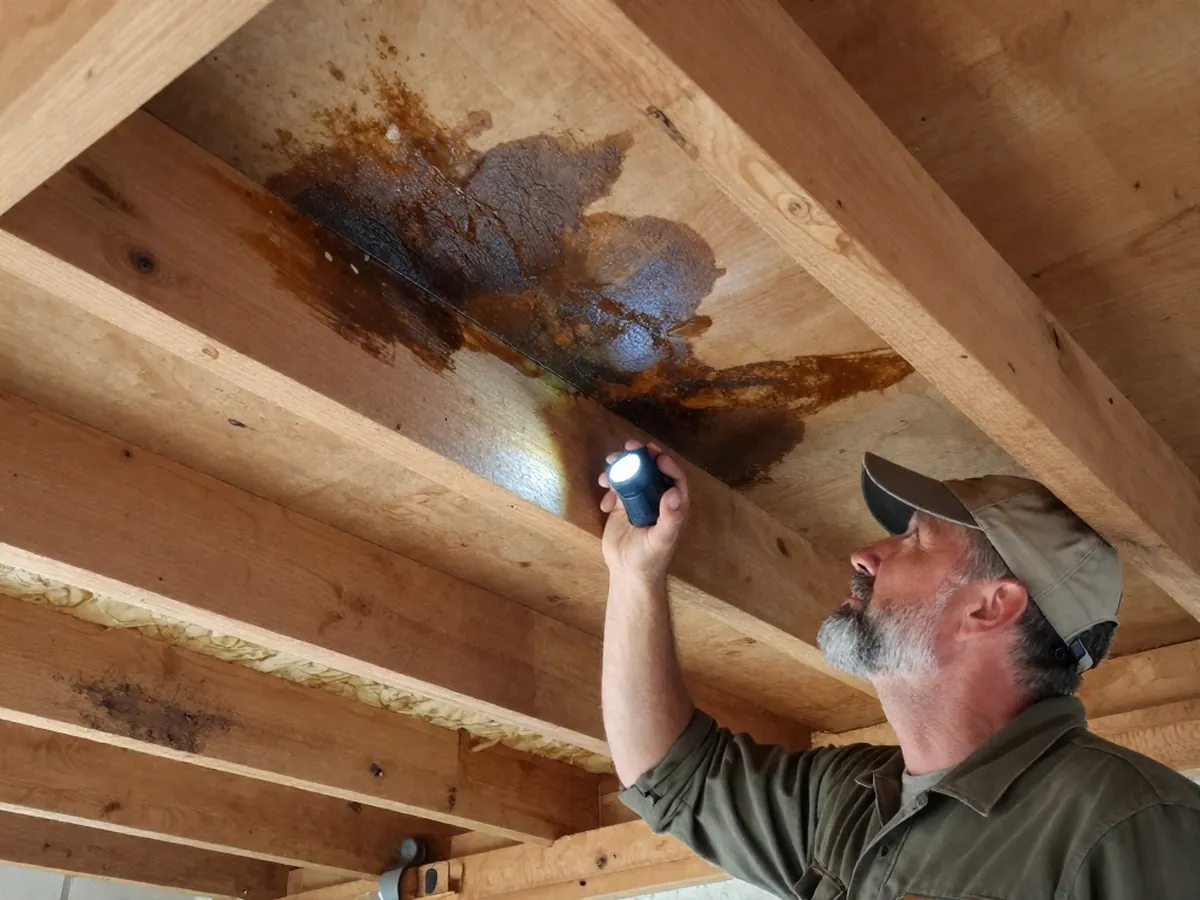 Storm and Roof Leak Water DamageStorm damage often turns up inside the house a day after the weather: a stain on the ceiling, wet insulation, a damp…
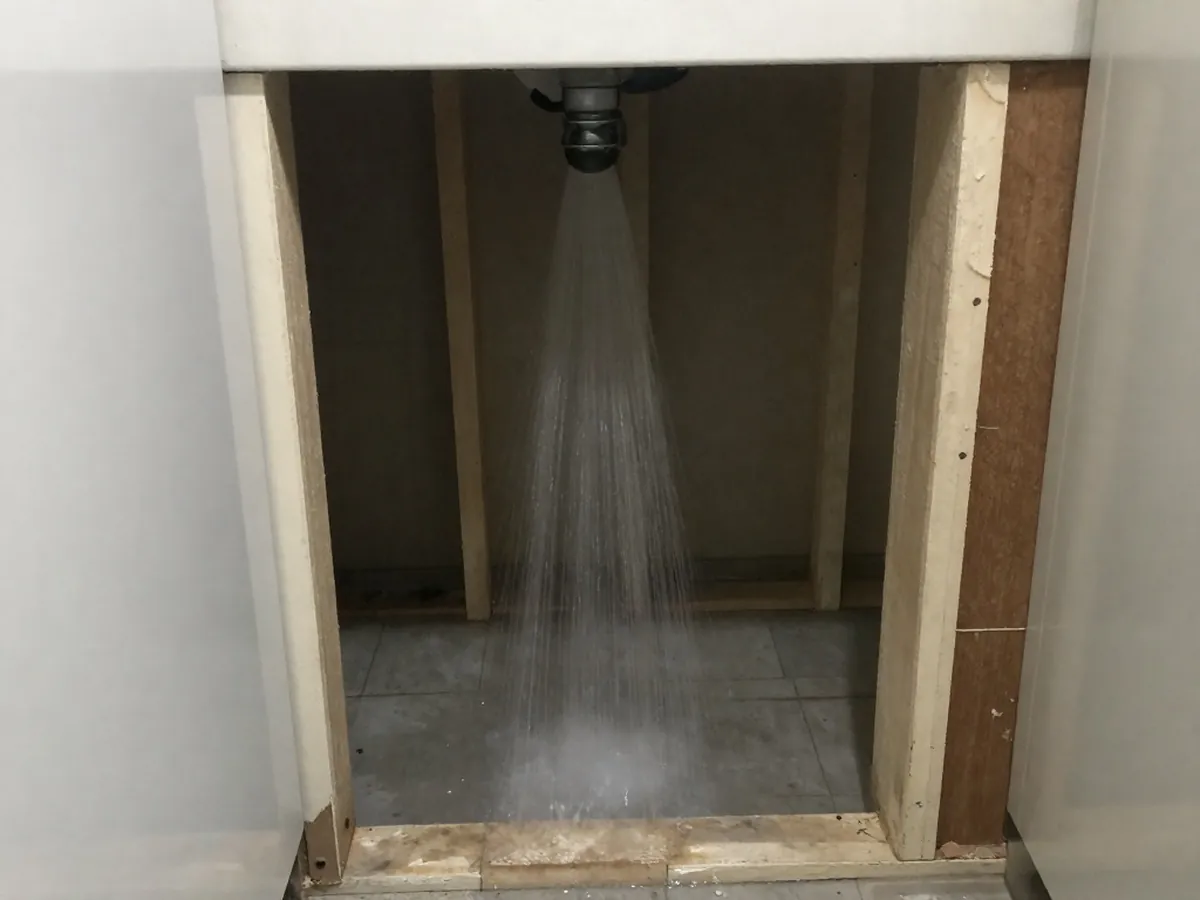 Burst Pipe Water DamageBurst pipes in Auburn, GA often announce themselves as a spray inside a wall, a drip through the ceiling below, or a…
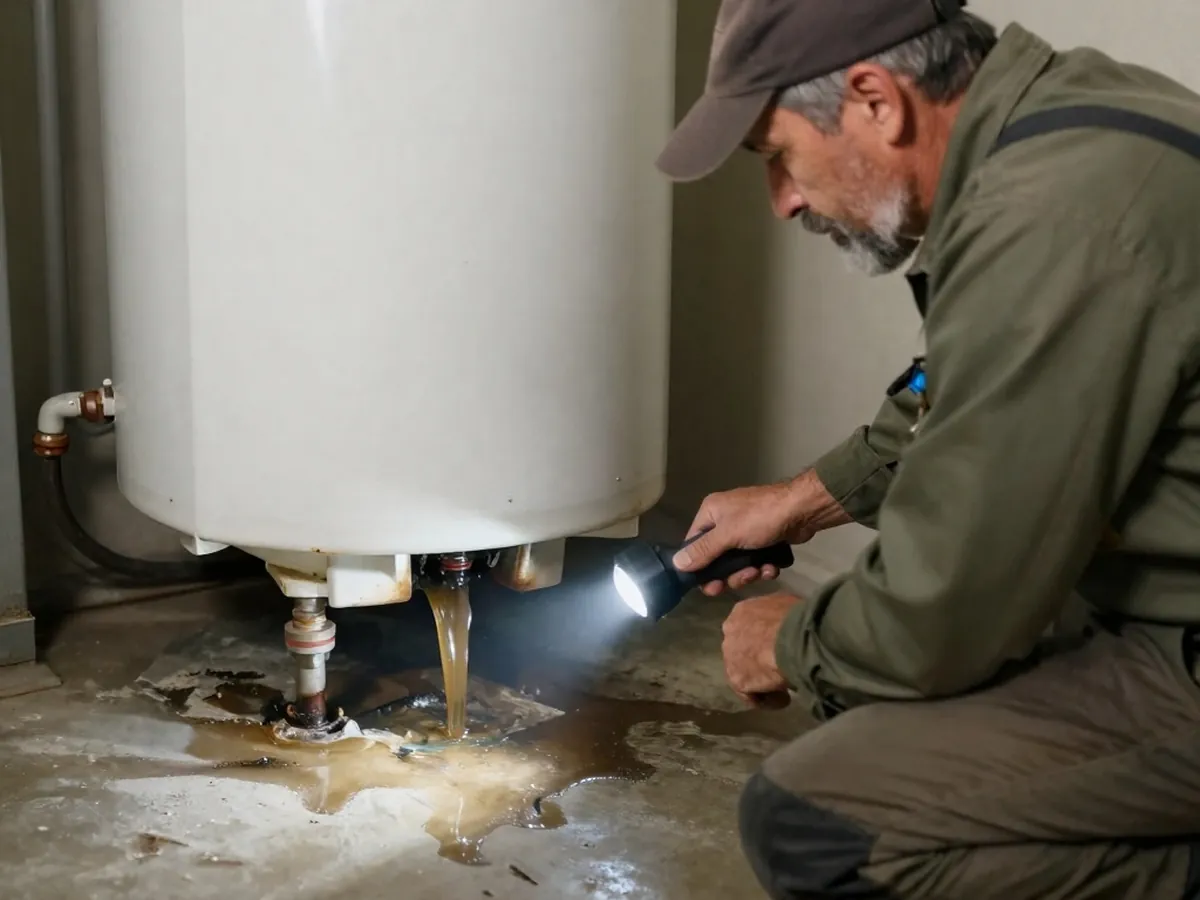 Appliance and Water Heater LeaksLeaks from a washer, a dishwasher or a water heater around Auburn, GA often start small: a damp patch of floor behind…
Step outside and get help if
- Water covers the outlets, the furnace or the panel: stay out of the basement and do not touch the switches. Call 911 if anyone has been shocked.
- Water is still rising, or flowing hard outside: keep out of the lower level, and do not wade or drive through floodwater. Call 911 if anyone is trapped.
- A gas furnace or water heater is sitting in the water, or the house smells of gas: get everyone outside, where 911 or the gas utility's emergency line can be reached.
- A basement wall is bowing, cracking or leaking hard: stay off the stairs and out of the lower level.
Four ways a basement cleanup goes wrong
Pumping it all out in one afternoon.
The Missouri extension page warns that pumping everything at once may cause serious structural damage.
Plugging a pump into the house's power.
The same page says not to use an electric pump on the home's power. A gas-powered pump belongs outdoors, and the CDC bars gasoline engines from basements, garages and carports, with 20 feet of clearance needed around a window, door or vent.
Pumping before asking the insurer.
The Missouri page suggests checking with the insurer before pumping.
Wading in to look.
GEMA says floodwater may be contaminated or electrically charged.
Auburn-area details
The City of Auburn's stormwater page carries a complaint form, a Report a Concern link and septic guides in English and Spanish. Trouble with a ditch or drain outside the house can be reported there; the water inside the basement is a separate matter.
FEMA's Flood Map Service Center is the official public source for flood hazard information, so it is where to look up whether an address sits in a mapped flood zone.
GEMA says property insurance does not typically cover flood damage, and points readers to the FEMA-run National Flood Insurance Program as the separate route. An insurer or agent can explain which applies.
Questions and plain answers
- How urgent is a flooded basement, on a scale of 1 to 10?
- At 8 to 10 water is at the panel or a gas appliance, it is still rising, or a wall is failing. Stay out and phone 911 or the utility from the street. Around 4 to 7 the water has stopped but the lower level is soaked, and the EPA's guideline is to dry it within 24 to 48 hours. At 1 to 3, a damp corner after a hard rain can be watched and dried.
- How soon can all the water come out of a basement?
- Slowly. The University of Missouri extension page describes pumping about a foot, marking the level and waiting overnight, then taking out two to three feet a day. The Red Cross describes about a third of the water each day. The water inside braces the walls against what is outside, so draining it all at once can damage the structure.
- Does homeowners insurance cover a flooded basement?
- GEMA says property insurance does not typically cover flood damage, and Georgia's insurance commissioner says standard policies do not cover flood. The separate route is the flood program FEMA runs, called the National Flood Insurance Program. What a policy pays is the insurer's decision, and the Missouri page suggests checking with the insurer before pumping.
- Does the contractor cover basements in Carl and Mulberry too?
- The contractor who takes the call covers Carl and Mulberry along with Auburn, and Carl's page and Mulberry's page carry the local numbers and rain records. Call us and give the depth of the water.
What helps the person on the phone
- Depth of the water, and whether it is climbing, steady or falling
- The entry point, if known: up through a floor drain, over a window well, through a wall or from the sump pit
- What is stored down there: boxes, furniture, a furnace, a water heater or the panel
- Whether a storm caused it, and whether the street is wet too
- Photos from the top of the stairs, taken without stepping in
Flood paperwork and the town desks
Rebuilding a finished basement can involve town permits and Georgia license rules, and flood insurance runs on a separate track from a homeowners policy. The town desks and the state lookup are on the hiring and paperwork page, and the insurance side is covered on the cost factors page.
Where the facts come from8
- MU Extension (University of Missouri), Removing water from flooded basements (17 Jun 2019)
- American Red Cross, Safety Steps for Returning Home After the Flood (21 Sep 2018)
- Georgia Emergency Management and Homeland Security Agency, Floods and Flash Floods
- FEMA, Flood Map Service Center
- City of Auburn, Stormwater
- CDC, Safety Guidelines: Reentering Your Flooded Home (updated 24 Aug 2026)
- Georgia Office of Commissioner of Insurance and Safety Fire, Safety Tips for Hurricanes
- NOAA NCEI, U.S. Climate Normals 1991-2020, monthly normals for Winder 4S, Georgia (USC00099466)
Checked 1 Nov 2026